April 2024
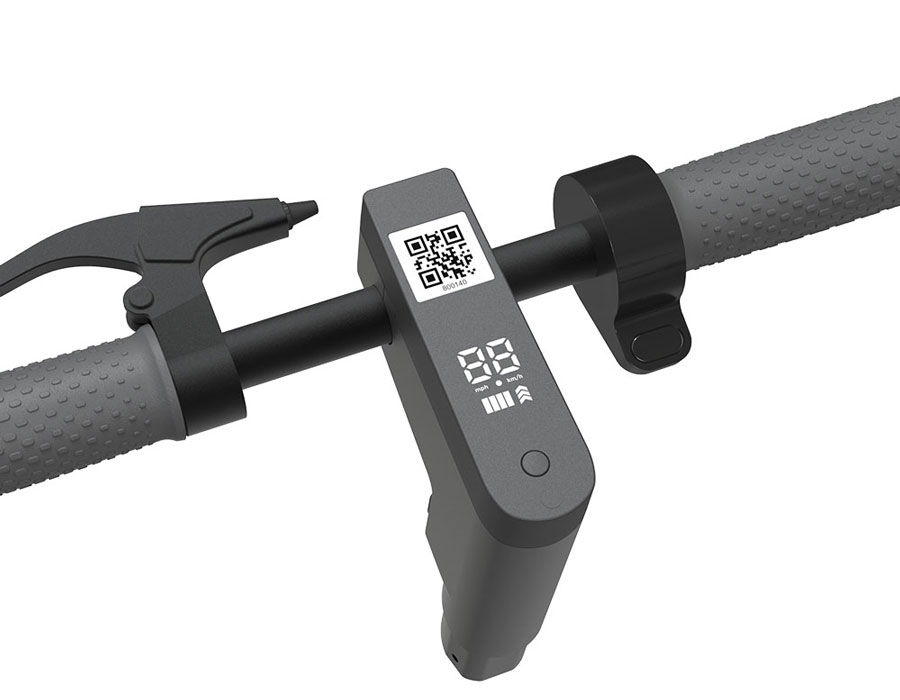
An IoT module for electric scooters is a hardware unit embedded within rental e-scooters to offer connectivity, data gathering, and remote management capabilities.
These modules facilitate fleet oversight, optimize the user experience, and boost operational performance for shared micromobility platforms.
Source: CSDI
Key features and functionalities of IoT devices for e-scooters include the following:
Real-time GPS tracking is crucial for fleet management, helping operators ensure that e-scooters aren’t stolen. After users rent an e-scooter, they can also view its location and other relevant details. Both operator and user apps can be tailored to specific needs. For connectivity, IoT devices are equipped with cellular technology (such as GSM, 3G, 4G, or LTE) to send data to a cloud management platform and receive remote commands. The remote lock/unlock feature allows users to secure or release the scooter through the rental app. Data on the scooter’s performance, usage, battery levels, speed, and more is collected remotely, giving operators insights into the scooter’s condition. User verification ensures that only authorized riders can access the e-scooter, using methods such as RFID, QR codes, or app-based authentication.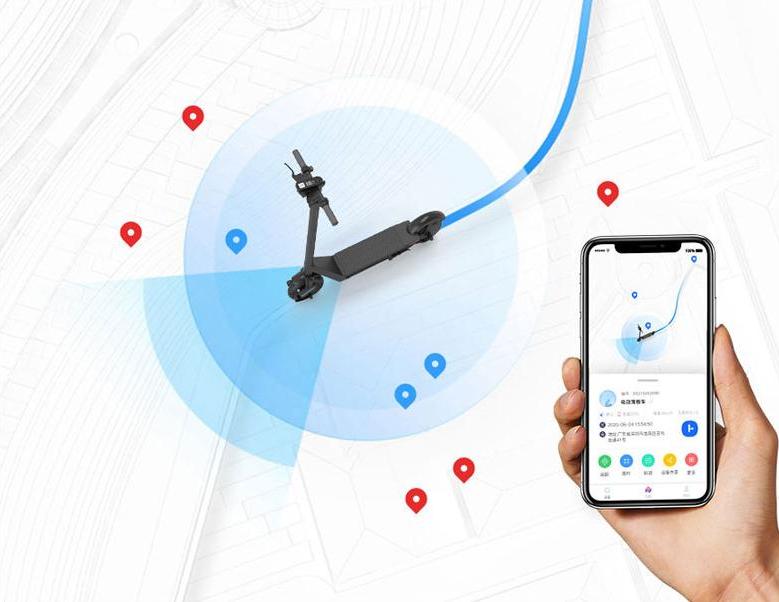
Source: CSDI
Here’s a revised version of the paragraph: --- Security Measures: Equipped with alerts for tampering, motion detection, and alarms to prevent theft or unauthorized access.
Battery Monitoring System: Tracks the battery’s condition and charge levels, providing notifications when recharging or maintenance is required. Environmental Monitoring: Sensors may track conditions like temperature, humidity, and air quality, which can influence scooter performance. Remote Software Updates (OTA) Allows the device’s software to be updated remotely, ensuring access to new features and security enhancements. Data Insights Gathers and sends data to a management platform for analysis, helping operators refine routes, enhance service, and efficiently allocate resources.