September 2024
The field of IoT technology for shared mobility is rapidly advancing, with ongoing innovations. Here are some of the latest cutting-edge IoT technologies for urban cycling solutions:
Enhanced Bicycle Tracking Systems Traditional GPS tracking technologies have been significantly upgraded. These enhanced systems now feature improved GPS precision, low-energy cellular connections, and long-lasting batteries, offering real-time, accurate location tracking for bicycles. Many of these advanced tracking systems also include functionalities such as geofencing, motion detection, and route history to bolster security and provide more detailed analytics. Edge Computing and Analytics Edge computing brings computational power and data analysis closer to the source, minimizing delays and enabling instantaneous insights. For urban cycling applications, this technology can be integrated into smart locks, bike-sharing systems, and other IoT devices. By processing data at the edge, it becomes feasible to identify anomalies, forecast maintenance needs, and streamline operations without depending entirely on cloud-based analytics.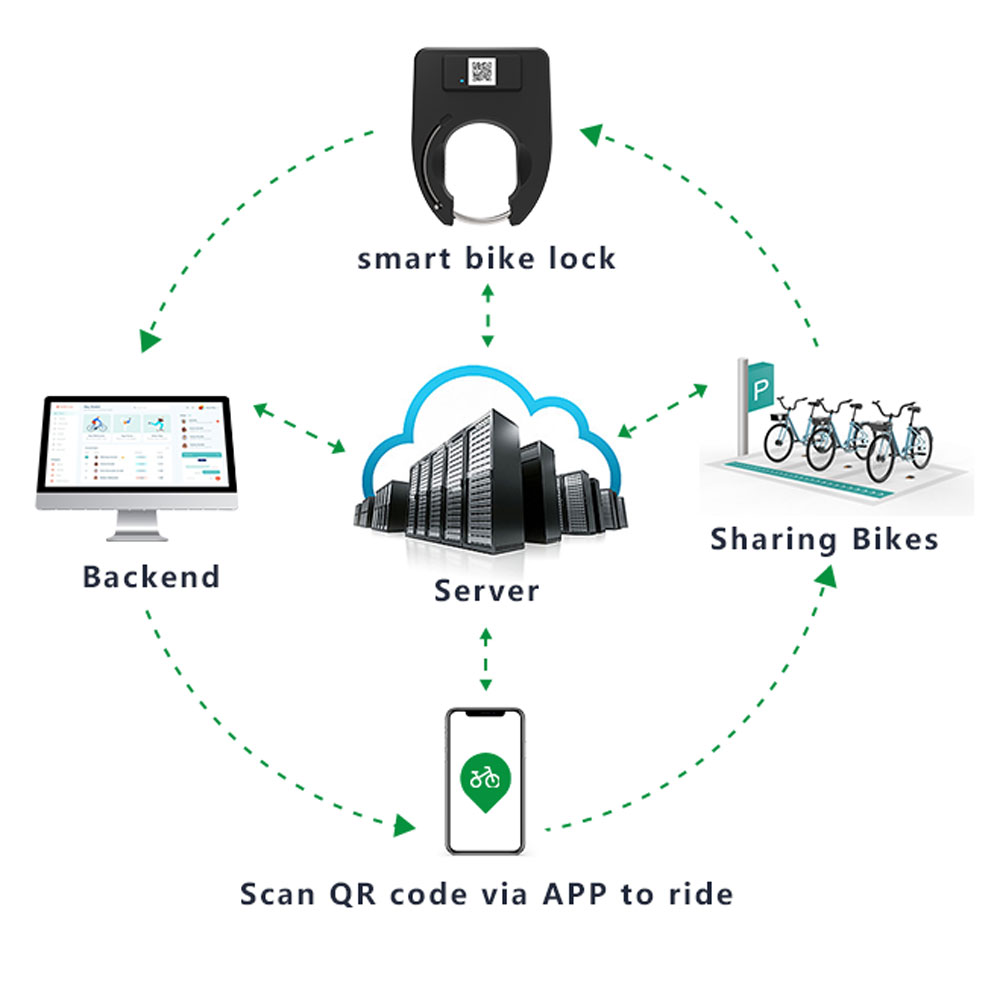
Source: CSDI
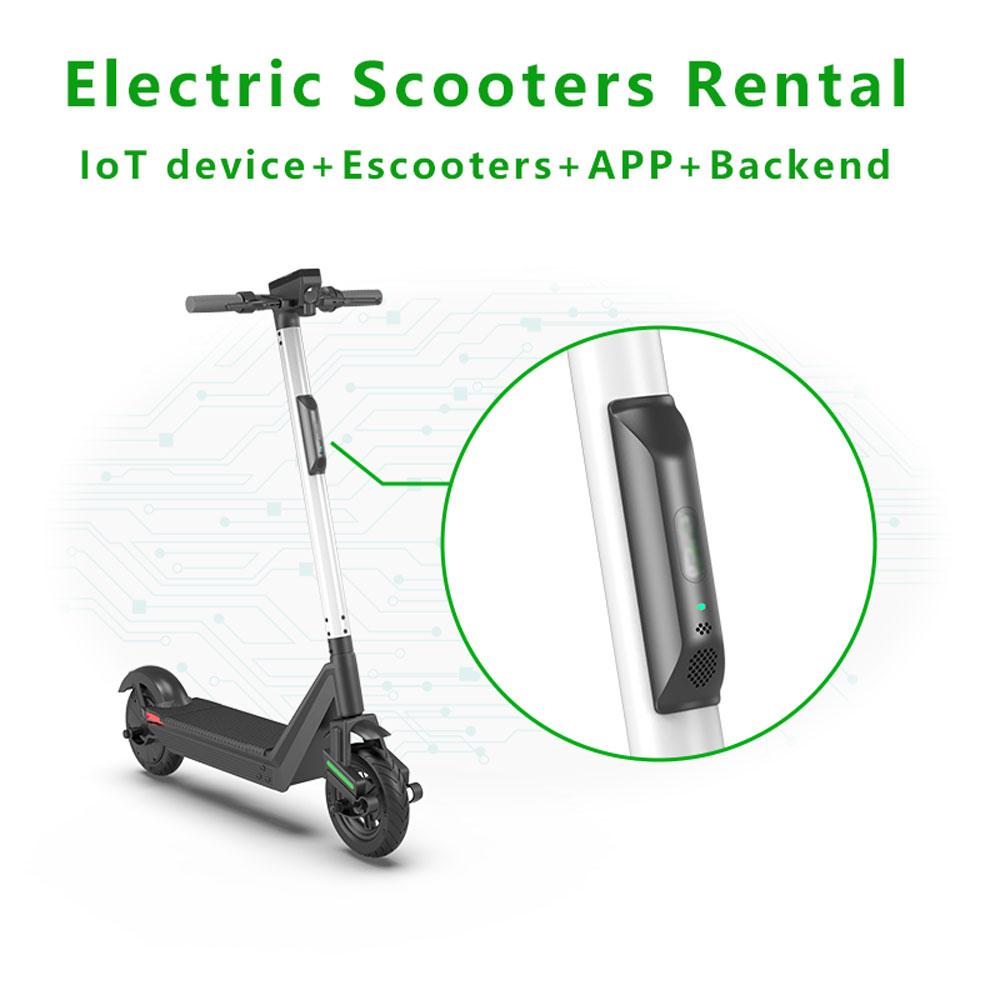
Artificial Intelligence (AI) and Machine Learning (ML) Techniques AI and ML technologies are playing a crucial role in shared micromobility, helping to analyze extensive data and derive valuable insights. These technologies can uncover usage patterns, forecast demand, enhance route planning, and identify potential safety issues. Additionally, AI and ML can be utilized to increase the accuracy and efficiency of bike-sharing systems by adjusting bike distribution based on user demand and current traffic conditions. Integrated Infrastructure Recent advancements in IoT technology are facilitating improved connectivity between urban cycling solutions and existing infrastructure. This includes links with traffic signals, parking systems, public transit networks, and smart city platforms. Enhanced connectivity ensures better coordination between cyclists and the broader transportation system, optimizing traffic management and improving cyclist safety.
Source: CSDI
Biometric Authentication
Biometric authentication technologies, such as fingerprint and facial recognition, are being integrated into smart locks and bike-sharing services. These methods enhance security by removing the need for physical keys or access cards. For cyclists, biometric authentication offers a seamless and secure way to access shared bikes, while fleet operators can use it to verify authorized users.
Smart Helmet Systems
The integration of IoT technologies into smart helmets is on the rise. These advanced helmets may feature built-in sensors to detect accidents or sudden impacts, automatic emergency alerts, LED indicators for signaling turns, and even heads-up displays (HUDs) for providing navigation instructions or other important information to the cyclist.
It is essential to recognize that while these cutting-edge IoT solutions present significant advantages, their implementation and broader adoption will depend on factors such as infrastructure readiness, regulatory requirements, and market demand.